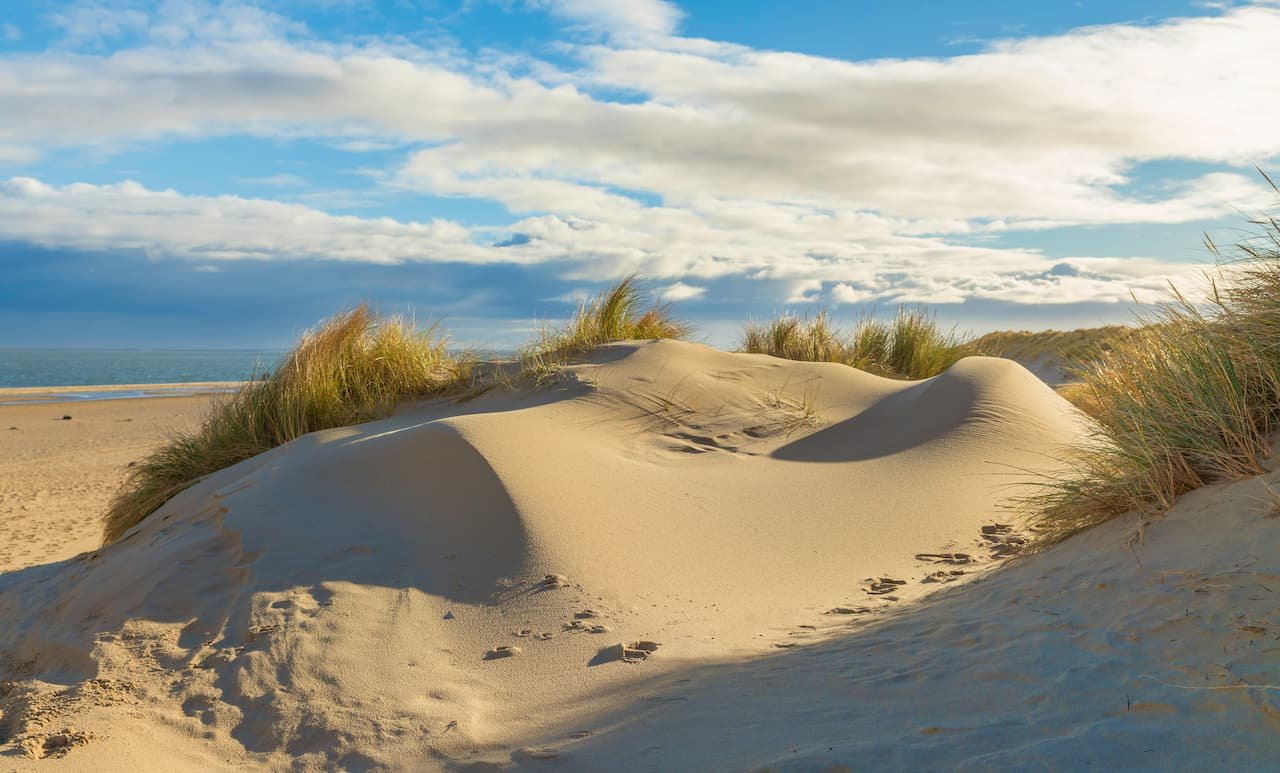
Koksijde-Bad: The Main Beach & Vibrant Hub
Koksijde-Bad is Belgium's premier beach destination. The wide sandy beach stretches for kilometers, backed by a lively promenade lined with restaurants, beach bars, and shops. Lifeguards patrol the beach from May through September, making it supremely family-friendly. The water is protected by a natural bay configuration, keeping waves gentle and currents minimal.
The beach's shallow slope allows swimmers to walk far out in comfortable water depths, perfect for nervous swimmers or young children. The sand is fine and clean, excellent for sandcastle building and sunbathing. Summer water temperature peaks at 17°C (August), warm enough for comfortable swimming. Winter temperature drops to 8°C, suitable only for hardy cold-water swimmers or those with wetsuits.
The promenade is packed with amenities: bathrooms (€0.50 or free at some establishments), showers, changing facilities, and rental services for loungers and parasols (typically €5-8 daily). Beach pavilions serve food and drinks at reasonable prices. Bike rental shops are frequent, and the promenade is ideal for evening strolls. Parking costs €2-3 daily in summer; arrive early for good spots or use paid parking lots.
Sint-Idesbald: The Quieter Alternative
Just 5km south, Sint-Idesbald offers a completely different beach experience. This quieter stretch attracts visitors seeking a more peaceful, less crowded atmosphere. The beach remains excellent for swimming and sunbathing but lacks the commercial buzz of Koksijde-Bad.
Sint-Idesbald is perfect for reading, napping, or contemplative walks. The surrounding neighborhood is more residential, with cosy restaurants and cafés serving authentic Belgian food rather than beach pavilion snacks. The beach has facilities but on a smaller scale — fewer vendors but excellent quality. It's beloved by photographers seeking authentic coastal beauty without tourist crowds.
Families appreciate Sint-Idesbald for its intimate scale. Dogs are allowed in designated areas, making it excellent for pet owners. The dune vegetation is more prominent here, creating natural shade and shelter from coastal winds. A morning walk from Sint-Idesbald to Koksijde-Bad (about 5km along the beach) is spectacular and doable in 90 minutes.
Oostduinkerke: UNESCO Heritage & Horse Fishing
Oostduinkerke, 8km south, is famous worldwide for paardenvisserij — traditional shrimp fishing on horseback. This UNESCO-recognized cultural practice dates back centuries. Fishermen ride horses into the shallow North Sea carrying long nets, catching brown shrimp. The sight is extraordinary and deeply rooted in local heritage.
Horse fishing happens seasonally. The main seasons are February (winter fishing) and August (summer season). Check local tourism websites or contact the Oostduinkerke visitor center for exact dates and times. Watching from the beach is free, but photographers should arrive early for good positions. The activity typically occurs in early morning or late afternoon when tides are favorable.
Beyond the fishing, Oostduinkerke itself is charming. The beach here is peaceful, backed by quiet streets and family-run restaurants serving excellent mussels and seafood. The In de Groene Waterman museum documents the fishing tradition with fascinating exhibits about techniques, equipment, and the fishermen's stories. It's a cultural experience revealing deep connections between people and the sea.
The Dunes: Hoge Blekker & Natural Landscape
The dunes surrounding Koksijde are spectacular. Hoge Blekker, at 33 meters above sea level, is technically Belgium's highest dune and sits just north of Koksijde. Despite its modest height, the ascent feels substantial. The reward is panoramic views — on clear days, you can see the coast stretching north toward Ostend and south toward France across the English Channel.
The dunes are protected ecosystems hosting rare plants adapted to sandy, saline conditions. Dune pansy, sea rocket, and marram grass stabilize the sand while creating a delicate habitat. The dune ecosystem supports beetles, spiders, and specialized insects found nowhere else. Spring brings wildflowers; autumn shows browning grasses catching low sunlight dramatically.
Walking through the dunes reveals a hidden landscape contrasting sharply with the beach. The wind-sculpted formations, sparse vegetation, and sense of emptiness create an almost lunar atmosphere. Several established paths crisscross the dunes, ranging from easy 2km walks to ambitious 8km loops. The Hoge Blekker climb itself takes 20-30 minutes and is suitable for families with moderate fitness.
Doornpanne Nature Reserve: 270 Hectares of Paradise
The Doornpanne Nature Reserve is Belgium's largest protected dune ecosystem, covering 270 hectares. Access is free, with several marked trails suitable for different fitness levels. The reserve is a paradise for birdwatchers and nature photographers — more than 180 bird species have been recorded here, including rare migrants and winter visitors.
Easy routes (2-3km) are perfect for families and casual walkers, taking 45-60 minutes at a leisurely pace. Moderate routes (5-6km) take 90 minutes and suit regular hikers. Challenging loops (8+ km) require good fitness but offer the deepest immersion in dune habitat. All trails are well-marked with signage and distance indicators.
Wildlife is abundant. Fallow deer roam the reserve; rabbits are common. The variety of birds changes seasonally — spring and autumn migrations bring specialized warblers and rare visitors. Bring binoculars if you're a bird enthusiast. Early morning and late afternoon visits offer the best wildlife viewing. The reserve's flat terrain and sandy paths are physically easier than rocky mountains but require endurance for longer routes.
Water Sports Paradise
Koksijde's beaches are a water sports hub. Surfing thrives here thanks to Atlantic swell, particularly in autumn and winter when consistent waves arrive. Several schools like Quiksilver offer lessons (€45-60 per hour). Summer brings calmer water but stronger sunshine for paddleboarding and kayaking.
Kitesurfing and windsurfing require stronger winds, favoring spring and autumn. Expert conditions exist year-round, but beginners prefer moderate wind seasons. Schools offer progression courses, typically costing €50-70 per session.
Sand yachting is unique to this stretch of coast. Small sail-powered vehicles run on sand using coastal winds. It's thrilling yet safe — speeds are controlled, and the activity is suitable for ages 6+. Lessons cost around €40.
Paddleboarding and kayaking are gentler options, perfect for families and confidence-building. The protected bay offers ideal conditions for beginners. Rental rates are approximately €20-30 for paddleboards, €15-25 for kayaks, per 2-hour session.
Practical Information for Beach Visitors
Lifeguard Coverage: Beaches are supervised May-September. Winter swimming requires caution — currents can be strong, and rescue services are limited. Wetsuits are essential for winter swimming (water temperature 8-11°C).
Parking & Access: Daily beach parking costs €2-3 in summer. The promenade is wheelchair-accessible, and disabled parking is available near main beaches. Public bathrooms are frequent and usually €0.50 per use or free at restaurants/cafés where you purchase something.
Best Season: July-August is hottest and busiest. May-June and September-October offer ideal conditions: pleasant weather (15-18°C), fewer crowds, and lower prices at nearby accommodations. Winter (November-March) brings dramatic seascapes and solitude but requires weather-appropriate clothing.
Facilities & Services: All main beaches have restaurants and shops. Smaller beaches like Sint-Idesbald have fewer vendors but excellent quality. Rental shops for beach equipment, bikes, and water sports are plentiful. Weekly markets (typically Wednesday and Saturday) in town centers offer fresh produce and local products at excellent prices.
Accessibility: The promenade at Koksijde-Bad is fully accessible. Sint-Idesbald and Oostduinkerke have ramps but are less developed. Doornpanne's sandy paths are challenging for mobility devices but accessible via car to viewpoint areas.
Cycling & Coastal Routes
The Belgian coast is perfect for cycling. The North Sea Cycle Route passes through Koksijde with spectacular sea views. Dedicated bike paths separate cyclists from traffic. Popular routes include: the 15km loop from Koksijde to Sint-Idesbald and back (suitable for families, 90 minutes); the 25km route to Bruges (challenging but spectacular, 3-4 hours); and various 5-10km promenade loops perfect for casual riding.
Rental shops offer beach bikes (€8-12 daily), child seats (€5-8), trailers for toddlers (€10-12), and small bikes for children (€6-8). The terrain is completely flat, making cycling accessible to most fitness levels.
Explore Koksijde's beaches and dunes from the perfect base: La Mer d'Arlau. This elegant apartment is situated just 500m from the sand, offering direct beach access without premium waterfront pricing. With 2 bedrooms, space for 5 guests, and full amenities including WiFi and AC, you'll have a comfortable home base for exploring the best of the Belgian coast.
✦ Check availabilityFrequently asked questions
What is the most famous beach in Koksijde?
Koksijde-Bad is the main beach, stretching for kilometers with lifeguards (May-September), restaurants, beach bars, and full facilities. It's popular with families and swimmers. Sint-Idesbald is quieter, and Oostduinkerke is unique for traditional shrimp fishing on horseback, a UNESCO-recognized practice.
Can you see Oostduinkerke shrimp fishers on horseback?
Yes! The traditional horse shrimp fishing (paardenvisserij) happens seasonally, typically in February and August, when fishermen wade horses into shallow waters to catch brown shrimp. It's a centuries-old UNESCO-recognized tradition unique to this coast. Check local schedules for exact dates.
Where is the highest dune in Belgium?
Hoge Blekker, at 33 meters above sea level, is technically Belgium's highest dune. It's located near Koksijde and offers panoramic views across the coast. The climb is moderate and rewarding, especially on clear days when you can see France across the English Channel.
What is the Doornpanne Nature Reserve?
Doornpanne covers 270 hectares of pristine protected dunes and is a paradise for birdwatchers and nature photographers. Access is free, and several marked trails range from easy 2km walks to challenging 8km loops. It's home to rare plants and diverse wildlife including deer and numerous bird species.
Can you do water sports on Koksijde beaches?
Absolutely! Popular activities include surfing, kitesurfing, windsurfing, paddleboarding, kayaking, and sand yachting. Several schools offer lessons for beginners. Autumn and spring offer the best wind conditions for board sports. Summer water temperatures reach 17°C, suitable for swimming.